



Buxton Civic Association Announces Change of Chair of the Board of Trustees
Monday 16th February 2026
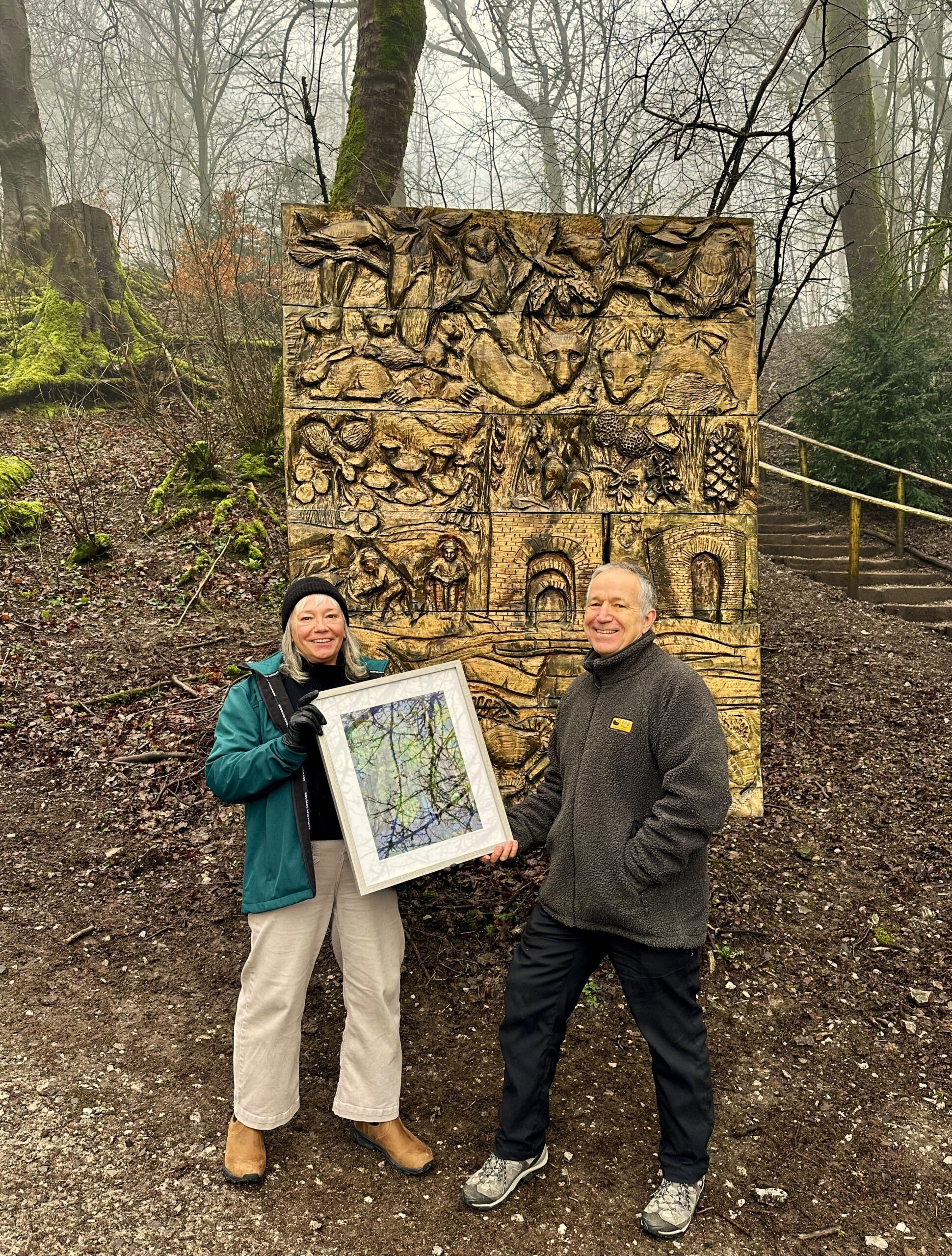
Buxton Civic Association (BCA) announces a change in leadership, with Peter Phillipson stepping down as Chair of the Board of Trustees after eight years in the role and twenty years of service as a Trustee. Sarah Wilks has been appointed as the new Chair, becoming BCA’s second female Chair in the organisation’s history.
Peter’s tenure as Chair has overseen a period of significant challenge and achievement for the organisation. During this time, BCA successfully navigated the Covid-19 pandemic while delivering major milestones including the rebranding of the organisation as BCA, the Stronger Roots Project, new visitor-friendly signage across BCA woodlands, the purchase and restoration of 103 Green Lane, the appointment of Dave Green as BCA’s first Chief Executive Officer, and the ongoing National Lottery Heritage Fund (NLHF) project, including a thorough review of governance.
Dave Green, CEO of BCA, said: “Peter has given outstanding service to BCA over two decades, including eight years as Chair. His dedication, steady leadership and deep commitment to our mission have helped the organisation weather difficult times and achieve some truly transformational successes. On behalf of everyone at BCA, I would like to thank Peter for everything he has done.”
Peter Phillipson said: “It has been a privilege to serve as a Trustee of this wonderful organisation for twenty years and to be Chair for the last eight. I am immensely proud of what BCA has achieved, particularly during some very challenging periods. I leave the organisation in excellent hands and wish Sarah and the Board every success for the future.”
Sarah Wilks said: “I am honoured to take on the role of Chair of Buxton Civic Association and to follow in Peter’s footsteps. BCA plays a vital role in protecting Buxton’s natural and cultural heritage, and I look forward to working with the Board, staff and volunteers to build on the organisation’s strong foundations.”
Sarah Wilks, who has served as a Trustee for BCA since 2023, brings extensive experience in community engagement, conservation and heritage leadership from her previous role as Head of Engagement at the Peak District National Park.
Established in 1967, Buxton Civic Association is the leading environmental and heritage charity dedicated to preserving and enhancing the natural beauty and cultural heritage of Buxton, Derbyshire. BCA owns and manages Poole’s Cavern and 160 acres of woodland across the town, including Corbar, Grin Low (Buxton Country Park), Sherbrook and Gadley Woods.